10 Reasons why Filipinos love Samboy Lim
 Jay P. Mercado
It was a Friday night when an unconfirmed report came out that Avelino “Samboy” Lim wasn’t doing well and prayers were being asked for Divine Intervention for his recovery. More than 9 years ago, on November 28, 2014, Lim was rushed to the Medical City after collapsing unconscious just moments after playing in a PBA Legends exhibition game held at the nearby Ynares Center in Pasig City.
The report was confirmed after an announcement was made on Samboy Lim’s FB page, informing everyone of his death on December 23, 2023. He was 61 years old.
Curiously, his long-time mentor, Coach Ron Jacobs, who similarly suffered from a debilitating stroke, passed away 8 years ago on December 24, 2015, almost the same date as Lim’s demise. Jacobs experienced a stroke on December 22, 2001, less than a month after being appointed head coach of the Philippine national team that was set to play in the 2002 Busan Asian Games.
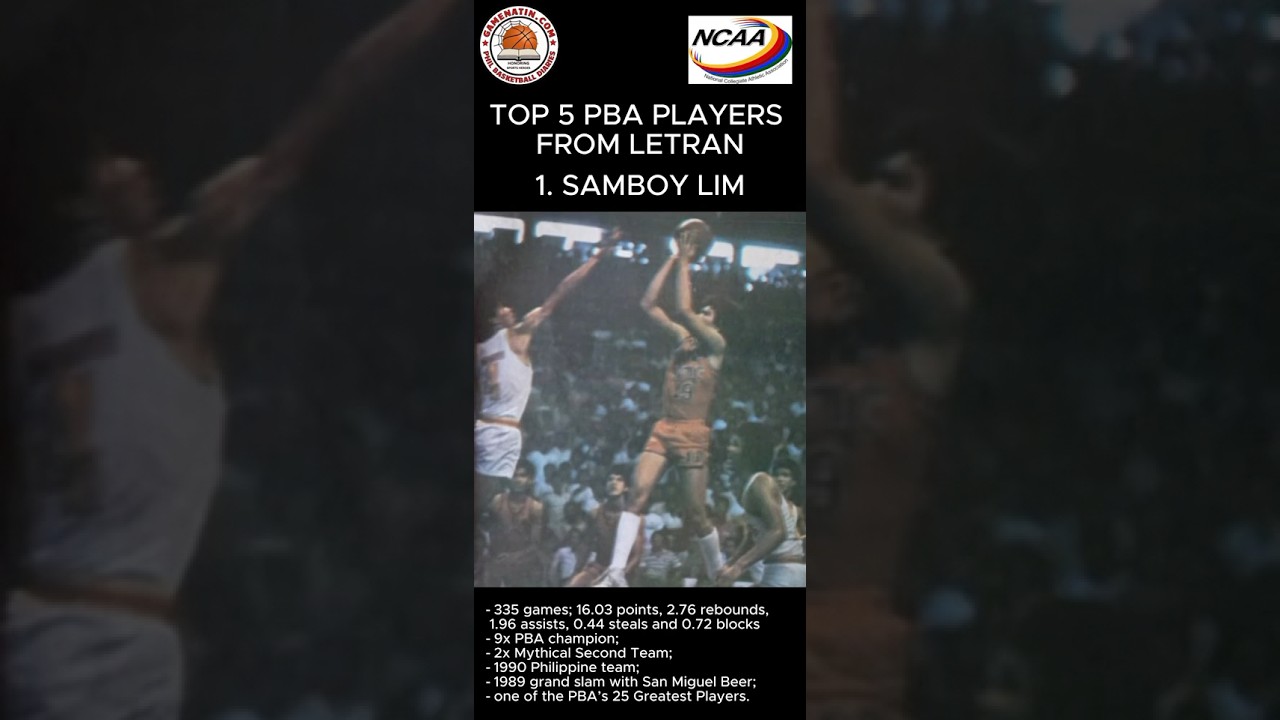
Lim was one of the most popular basketball players in Philippine basketball history. In the early 90’s, a survey was conducted by a research firm and pegged the high-flyer as one of the two favorite players among the Filipino fans, the other being no less than the Living Legend, Robert Jaworski, Sr.
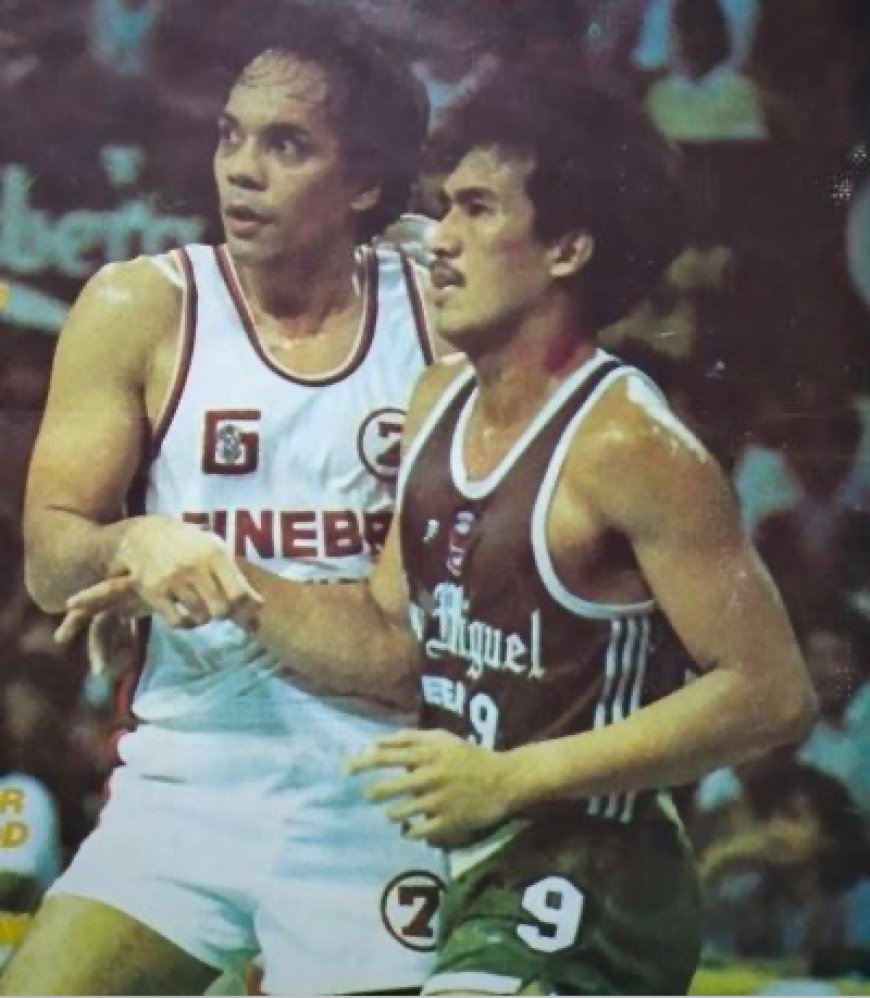
But while Jaworski’s cult personality polarized fans – you either loved or disliked him – Lim was generally loved by everyone. Regardless of which team fans rooted for, no one hated him. And practically everyone cheered for him, especially during those times when he would get injured.
Jaworski was Lim’s head coach in the 1990 national team that won the silver medal in the Beijing Asian Games. The Big J also mentored Lim in the 1990 PBA All Star game for the Veterans team. Lim went on to win MVP honors after puncturing the hoop with 42 points in leading the “seniors” team to a massive 146-118 victory against the Rookies – Sophomores – Juniors (RSJ) squad handled by Jimmy Mariano, further accentuating the Filipinos’ love for the former Letran Knight.
So why was Lim, whose first name “Samboy” was distinctly his, loved by fans? While there may be a hundred reasons for this, the Philippine Basketball Diaries lists down 10 factors that made Samboy Lim the consummate basketball player of all eras.
1. Made us proud in the international game
Lim was already a rising star when he joined the NCC national team late 1984, a few weeks after winning the NCAA MVP award and leading the Knights to a rare three-peat. Jacobs polished his offensive skills further, improving his three-point shooting to make his game even more unpredictable. A noted one-on-one player in college, Jacobs understood that Lim needs to develop his outside shooting as taller defenders are expected to guard him in the international game. This became apparent when Lim sizzled for 37 points in their 98-79 victory over Banco di Roma, the top ballclub in Italy, in the World Interclub tournament in Gerona, Spain. He proved this again in the 1985 Jones Cup when he and teammate, Allan Caidic, shell-shocked the United States Golden Eagles team, 108-100, upsetting the selection that had big collegiate names like Harold Pressley of Villanova, Joe Wolf of North Carolina, Kenny Gattison of Old Dominion, Jay Bilas and Tommy Amaker of Duke and Kevin Henderson of Cal-State Fullerton. The Americans started the second half with a 6-0 explosion to lead, 46-40, before Lim exploded for three straight treys to cut the lead down to 1, 50-49.
The game went into overtime and Lim, highlighting his all-around offensive game, made two layups in overtime to help the team win the game and the championship. Lim knocked down 23 points in the winning cause.
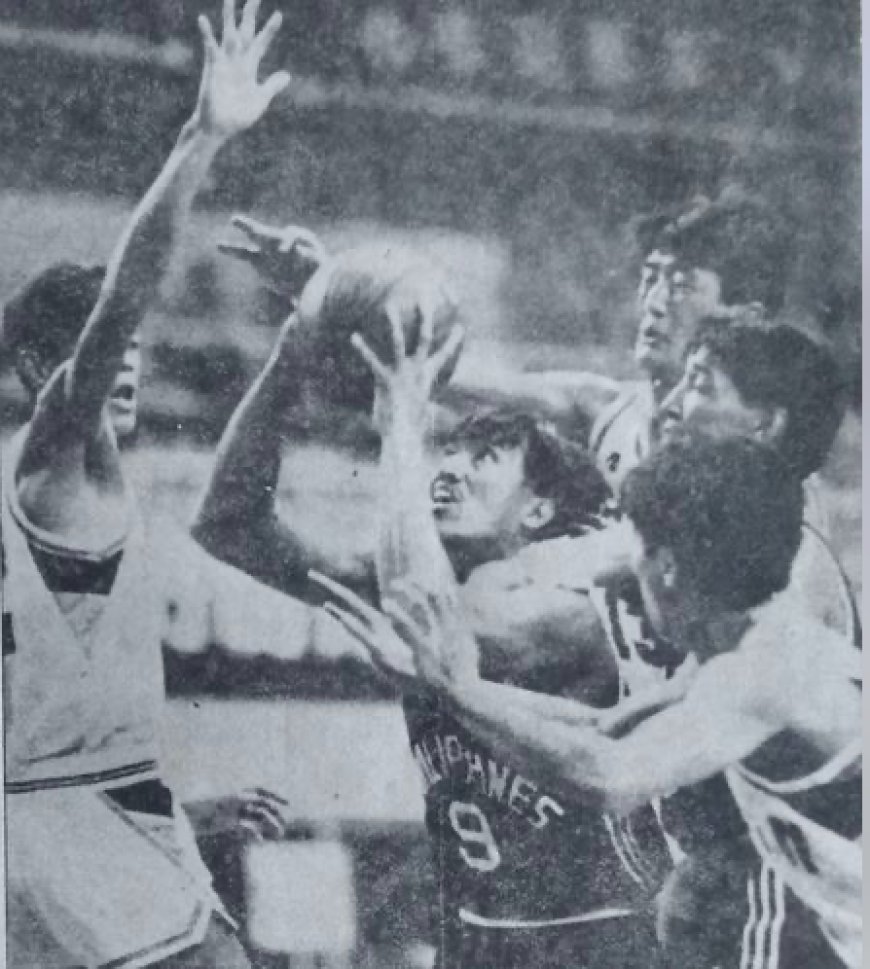
Lim, who donned jersey #9, started for the national team that won the 1986 Asian Basketball Confederation (ABC). The team won all their 6 games, including decisive victories against South Korea, 76-72, and China, 82-72, to win the gold medal for the first time since 1973. Lim and Caidic were eventually named to the tournament Mythical 5.
He was then handpicked by Jaworski for the national team that became known as the world’s first pro “Dream Team” in the 1990 Asian Games in Beijing. As expected, Lim and Caidic led the team’s offense and was backstopped by the bullstrong Benjie Paras, the team’s primary center. In the semifinals game against Japan, Lim topscored for the Philippines with 18 points as he ran rings around his defenders and made dazzling inside plays as well as clutch free throws to seal their Finals battle against China, 94-90.
2. His daredevil, high-flying ways inside the court – the Filipino way
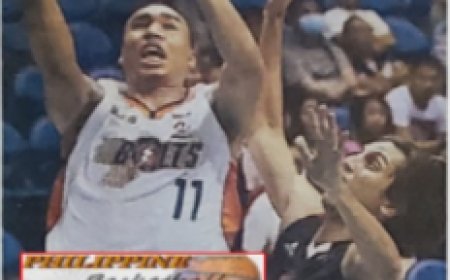
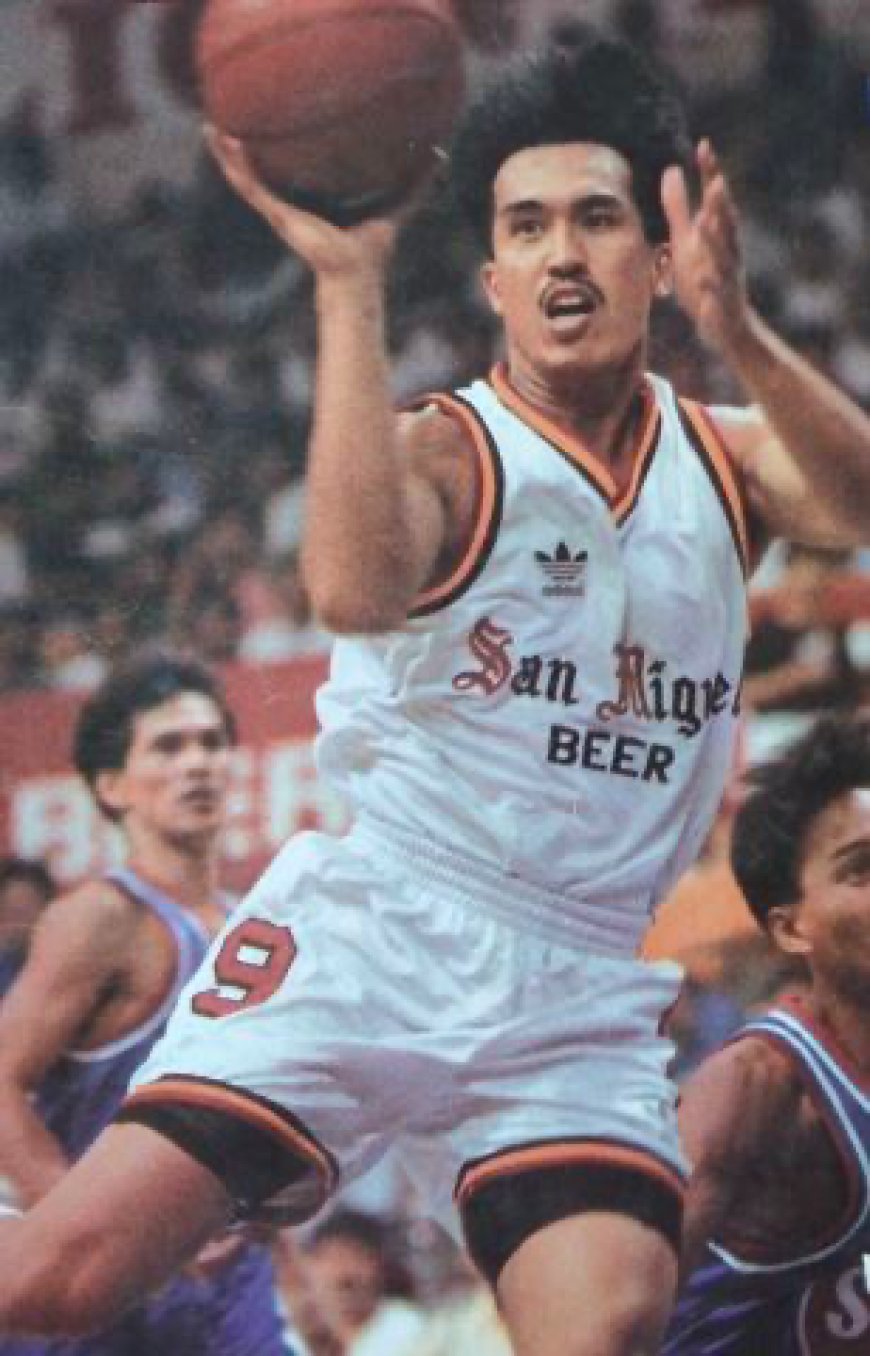
Much has been said about Samboy’s ability to suspend himself in air – when hang time was yet to be coined. He was excitement personified, his fearless penetrations without regard to life and limb while going up against taller defenders. But it was his picture-perfect form, the grace, the art form of skywalking was what triggered the oohs and the aahs. Moreso, he did it in his own unique but very pinoy-esque way – fearless, daring, acrobatic, flamboyant, devil-may-care.
Coming from a country that has perennially been vertically-challenged when ranged against foreign opponents, it’s a thing of beauty to see Lim slash the paint, elevate in the air, and stay longer than everyone else. While there were other natural leapers who can walk in the air like Bong Alvarez, Vergel Meneses and Cyrus Baguio, Lim’s unique style and flair made him special as he constantly moved his right hand while clutching the ball, then evade the outstretched arms of his taller opponents, in the process, getting fouled for an and one. It was a remarkable sight to behold, one that can only make his defenders shake their collective heads in admiration. He was unsurprisingly compared to another high-flyer in the late 60’s and 70’s – Danny Florencio – one of the most popular cagers of his era.
Lim was blessed with an explosive first step that allowed him that split-second separation from his primary defender. At a time when the PBA outlawed the zone, Lim can easily blow by his defender only to find the secondary defenders waiting for him. This is the precise moment when fans would get into a frenzy, in anticipation of what Lim would do next. And he won’t disappoint the fans, only those who tried to block his shot but found themselves being assessed with a foul in their futile effort to stop him. In a television interview, Norman Black pegged Lim as the greatest high-flyer in PBA history.
3. His refusal to give up
Jaworski and Ginebra were not the only ones who embodied the never-say-die spirit. Even back in his days with Letran, Lim would will his team to defy the odds and come back from double-digit deficits to win games. He partnered with point guard, Jerry Gonzales and shooting guard, Romy Ang – forming a tremendous and prolific backcourt troika to lead the Knights to three straight championships from 1982 to 1984. Interestingly, the three went on to snag MVP plums on those years – Gonzales in 1982, Ang in 1983 and Lim in 1984.
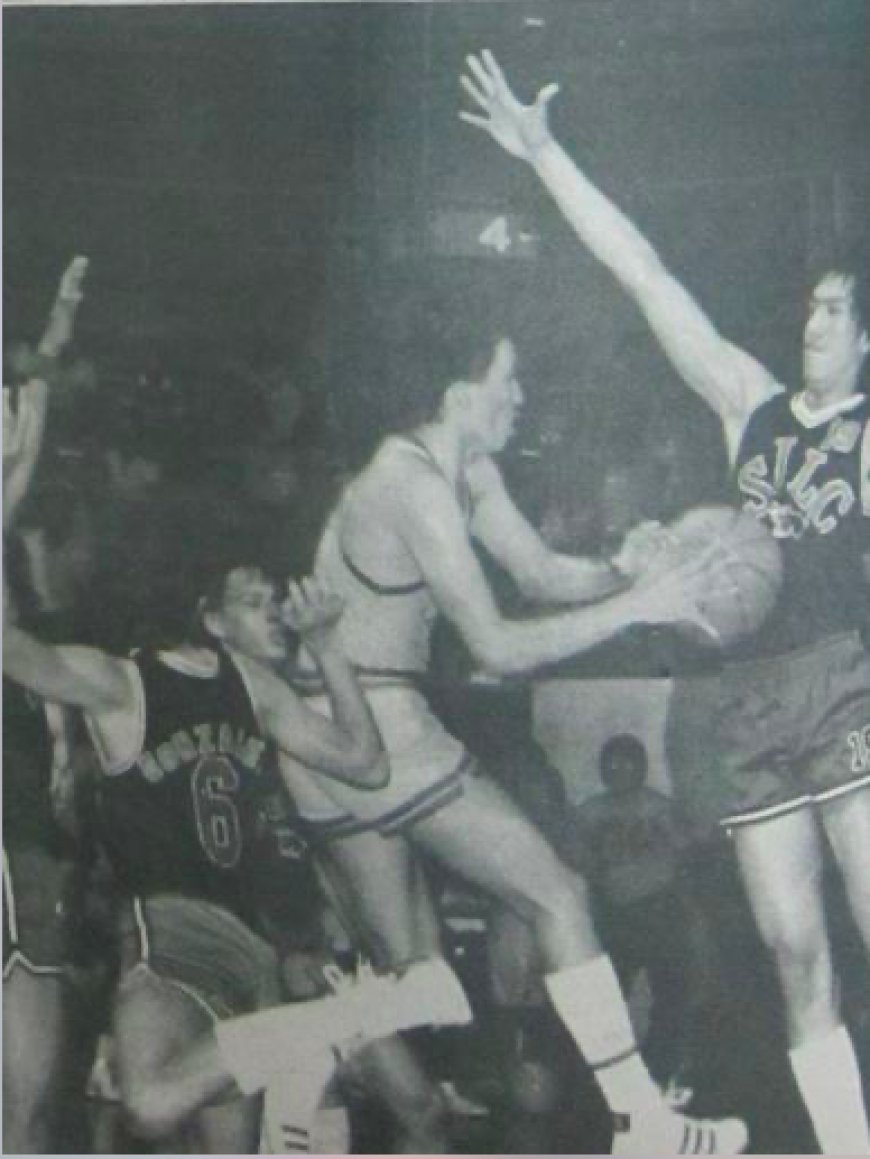
He further exemplified this in his stint with the national team and, later on with the San Miguel Beermen in the PBA. In the 1986 ABC final game against China, Lim exploded for 16 points to backstop Caidic, who topscored with 22 but not after spearheading the Philippines to a 17-4 run that saw their 48-44 lead balloon to 65-48 in the first part of the second half. Lim scored six points in that stretch and was aided by a trey and a jumper by Caidic to give the nationals its biggest advantage that they didn’t relinquish anymore.
Lim would do this more often at San Miguel, when he’s not injured. When the Beermen would find themselves being down in the last few minutes of the game, Black would re-insert him in the game to provide instant offense and rack up quick points. And Lim would do his job with aplomb, generating excitement whether via slashes inside the paint, baskets beyond the arc, or midrange jumpers. Which explains why SMB has always been one, if not the most difficult, team to contend against at crunch time.
4. Unorthodox free-throw shooting
Teachers of the game would tell young, budding players that when taking free throws, he would need to bend his knees slightly to provide the up-motion power needed by the player to hoist the ball. It’s not uncommon to see most of the players use this technique for consistency and accuracy.
Yet, Samboy’s strength is perhaps one of the most underrated parts of his game. His elevation is perhaps brought about by the strength of his legs, making him able to leap high while keeping himself suspended in the air longer than anyone.
When Samboy takes his free throw, it’s customary for him to mess his hair, perhaps, his way of drying his sweaty palms. He then takes one dribble or two, instead of the usual multiple dribbles that help create muscle and mind memory. He then flips the ball with his fingertips but without bending his knees. Many have tried aping the Samboy-style of free throw shooting only to end up with an airball for lack of power.
In Lim’s case, this wasn’t a problem. A career 82.23% free throw shooter (you read that right!), he is one of the more reliable charity stripe shooters not only for Black but in the entire PBA. It’s not a surprise therefore that he’s asked to take the technical free throw of an opponent due to a defensive alignment call. Which makes the case for the next reason why Lim is well-loved…
5. …he’s clutch
Coach Norman Black’s closing team, particularly at the offensive end, would be Hector Calma, Ato Agustin (Ricardo Brown in 1989), Yves Dignadice / Alvin Teng, Ramon Fernandez and Lim. Despite the lack in ceiling, Black would never hesitate finishing the game with this deadly unit because each one of them is capable of scoring under duress.
Lim and Agustin would be the designated shooters / slashers, while Fernandez would try to secure a double team at the post and feed the open man. With all 5 players capable of scoring, Black would turn to Lim as the first option to go one-on-one. And because he’s equally adept in sharing the rock, Lim would find the open man when the defense would collapse on him.
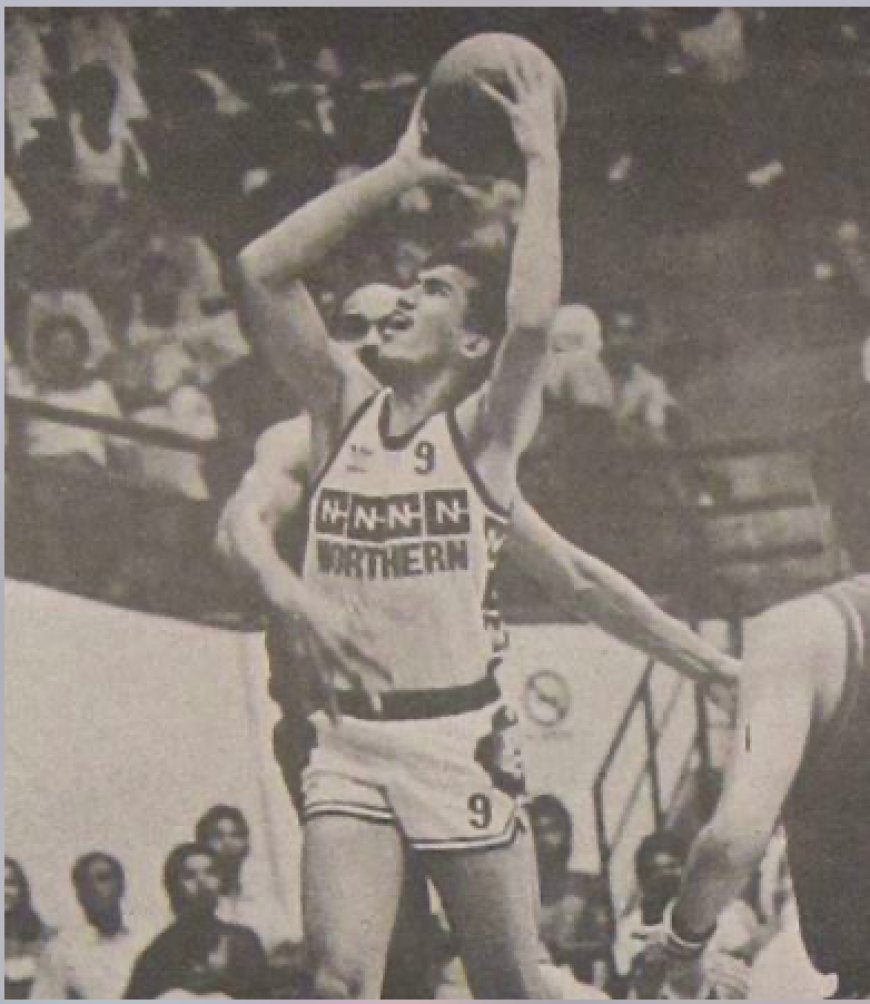
Lim doesn’t commit too many mental mistakes which is why he’s such a gem to his coaches in the endgame. In the 1990 Asian Games, it was not unusual that when points were needed, Coach Jaworski would want a play designed to have either Samboy or Caidic take the ball – whether Samboy would go one-on-one or Allan run through a series of picks to leave himself open. He relished these pressure-packed situations and thrived in such.
6. The cool, calm and unruffled demeanor
No one could get Lim’s goat. Despite the roughhousing tactics of his opponents, he would brush these off and simply chalk it up as “part of the game.” For someone who’s been injured and underwent surgery multiple times, we can forgive him if he snaps once in a while. But other than an isolated incident in the Reinforced Conference of the 1985 season when he and Manila Beer’s Ramon Cruz got into a skirmish, there’s been no documentation of Lim losing his temper.
Considering he had to go up against the toughest defenders of other teams – be it Glenn Capacio, Dante Gonzalgo, Rudy Distrito, Onchie Dela Cruz, Biboy Ravanes or even their imports, Lim would casually walk away and avoid tempers from rising. He was genuinely respected by his peers that his defenders himself wouldn’t want to hurt him. It’s because they knew Lim wouldn’t retaliate or resort to any dirty tricks.
7. The knee-high socks
There was a time, especially in the 70’s, when high socks were the common fare in NBA fashion. Guys like George Gervin, Pete Maravich, Michael Cooper, Adrian Dantley, among others, were known to don socks that reach up to their knees. Even in the PBA, stripe-colored socks, normally color-coordinated with their jerseys, were the norm.
In the MJ era though, the socks became shorter and reached up only to one’s shin. The PBA players caught on, just as they did when they also started wearing long shorts. In Lim’s case, he was one of perhaps only a few PBA players who continued wearing high socks. No one really knew the reason why, but close friends claim that he was extremely comfortable wearing such given that he’s been doing these years since his formative years in basketball. It’s also his way to pay tribute to his NBA idol, Julius Erving, who was equally renown for wearing high socks over his high-cut Converse togs.
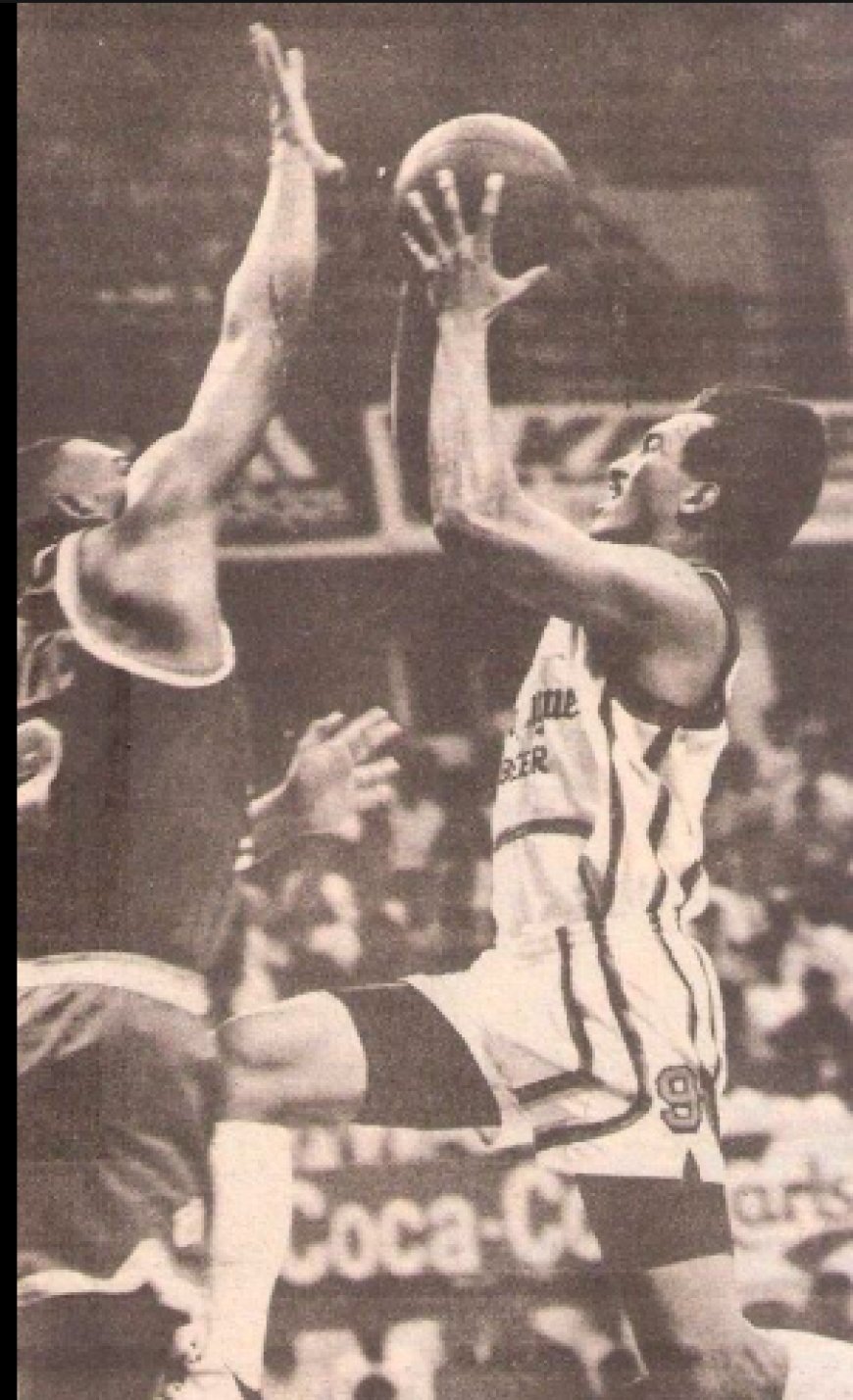
This fashion sense wasn’t lost on the discriminating basketball fan, yet, it was also Lim’s unconscious effort to stand out from the rest. Many wondered if these socks provide the spring in his legs that allow him to elevate and levitate – if such’s the case, then perhaps, ankle socks in basketball would have been completely unheard of.
8. The shy, timid smile
Samboy Lim is all business inside the court – you rarely see him bear a grin while in action. This was how he played in college, that was how he played in Lhuillier in the PABL, with the national teams, and yes, with San Miguel in the PBA.
The moments though when you’d catch him with a smile, it was after the game. When interviewed as the best player of the game and Romy Kintanar would run down his numbers for the night, Lim would flash a shy, timid smile as if embarrassed when told how good he was. He would bear a bigger smile though when it was time for him to greet his family, friends and acquaintances – whether it was Lelen, his wife, his friends from PhilAm Village in QC, his former teammates and classmates at Letran, or even the vendor outside the coliseum – Lim would manifest his genuine appreciation of these folks by flashing that grin.
Mind you, that smile is not only radiant, it’s equally infectious. Perhaps because it’s seldom we see him do so. Even during championship runs with Knights, the national team and the Beermen, Lim would stay away from the cameras, stay on the sides during photo opportunities, while letting his teammates bask in the limelight.
9. His humility
Ron Jacobs has always been amazed with Lim’s humility. As early as 1984, Jacobs has been trying to lure Lim into the national training pool. But Lim, while assuring Jacobs that he was interested, didn’t want to join right away because he wanted to honor his commitment with Letran, where he was to play his last season that year. The response made Jacobs firmly believe even more that he found the right person with the proper set of personal values that were not only endearing but also best represented what the NCC program was all about. True enough, when the NCAA season ended with Lim adjudged as MVP, he fulfilled his promise to Jacobs and immediately joined the team, winning his first international tournament in the process – the Asian Interclub held at Ipoh, Malaysia on December.
Which is why it’s not surprising that he became the PBA’s first winner of the Sportsmanship awardee for 1993. Later on, the league gave him a bigger title when they decided to name the Sportsmanship Trophy after him. Rey Evangelista, Purefoods’ retired star, upon hearing of his death, paid tribute to Lim on his Facebook page. Holding the record alongside Gabe Norwood for the most number of Sportsmanship awards with 3 apiece, Evangelista said Lim “exemplified the ideals of his sportsmanship on the court, ethical behavior, fair play and integrity.” He posted a photo as well of him receiving the award from Lim no less.
10. The person that he is
In Lim’s official FB page, his family described him as the “embodiment of the very best of humanity.” He was God-fearing – “a man of Faith” was how he was described, as well as a person with “exceptional courage, humility and grace.” Lim went through 9 years of having to be taken care of by his family and team of doctors – a testament to his fortitude to wage his battle.
Lim married a wonderful human being in Lelen Berberabe, now the dean of the UP College of Law, who despite being separated, took care of him the past 9 years. They bore a daughter, Jamie, who, just like his parents, made Filipinos proud as a national karate athlete, winning 2 gold medals in the SEA Games in 2019 and 2023.
He retired from the PBA in 1997, playing for only one PBA team – a testament to his virtue of loyalty to the people who he feels he’s indebted to. He continued to serve SMC, this time becoming team manager of the Beermen and, later, with Barangay Ginebra.
He has left behind a legacy, but none, perhaps, more relevant than the law that was passed under his name. In June, 2016, or less than 2 years after Lim’s collapse, the “Samboy Lim Law” was approved. Authored by Rain or Shine head coach and former Congressman, Yeng Guiao, it stipulates that all private and public schools are required to teach high school students with basic life support training or CPR before they graduate.
Most of all, we’ll remember Lim as the perfect epitome of a human being, someone worthy of emulation. A gentleman on and off the court, a true sportsman who performed his best at all times, regardless of the consequences, a soft-spoken person who prefers to stay behind the klieg lights, a decent human being capable of making this world a better place.
Au revoir, Samboy…leap high and sky walk in Heaven and provide the excitement to the angels up there. Thank you for the memories…