Why parity is necessary and how the PBA can achieve this
 Jay P. Mercado

Concerned PBA fans have expressed their utmost disappointment with the PBA top brass for their inability to curb the imparity in the league today. And for good reason. The facts will show that there’s basis to this.
Over the years, two conglomerates that own three teams each have dominated the PBA. This is not to mention at least 3 farm teams that provide the pipeline of top-tiered talents to the SMC and MVP teams. As such, league followers have identified only three independent teams remaining – the Rain or Shine Elasto Painters, the Converge FiberXers and the Phoenix Super LPG Fuel Masters.
Even more compelling is how the championships have been virtually shared by these two conglomerates. In the last 18 conferences, 15 titles have gone to the SMC Group (7 each for Barangay Ginebra and San Miguel Beer, 1 for Magnolia) while 3 went to the MVP Group (2 for the TNT Ka-Tropa and 1 just recently by the Meralco Bolts). The last time a non-SMC or non-MVP team won a title? The 2015-16 Commissioner’s Cup when two independent teams, Rain or Shine and Alaska, duked it out for the crown. ROS eventually prevailed in 6 games.
Here’s another. Among the 12 PBA teams, only 6 have won a championship, including Meralco’s recent Philippine Cup triumph. The league expanded in the 2014-15 season by adding the Alvarez (KIA, Mahindra, Terrafirma) and Sy (Blackwater) groups and yet, not once have both teams made it to the semifinals. It’s not uncommon to see both franchises sharing top draft pick honors every single season – allowing them to collar the best rookie talents available. Given the opportunity to get such talent, they would have become championship contenders by now.
Top picks to super teams
Yet, if we take a look at the top draft picks since the two teams joined the league, not one of their primary picks have stayed with them. Players like Christian Standhardinger, CJ Perez, Mo Tautuaa and Brandon Ganuelas-Rosser are now with either the SMC or MVP Groups. It’s a simple case of the poor getting poorer and the rich becoming richer. A few weeks ago, Blackwater and TNT nearly pulled off a deal sending Rey Nambatac to the Ka-Tropa for Kib Montalbo and a second round pick. Nambatac, recently acquired by the Bossing from ROS for a first round pick, was peddled for a backup point guard and a low second rounder and the Blackwater management doesn’t see anything wrong with this. Fortunately, the PBA nixed the deal but it won’t be long before a slight adjustment in the deal would have the “Stingrey” donning the blue and yellow TNT jersey. For the record, Nambatac is already earning the max salary of Php 420k in a contract renewal he signed with Rain or Shine prior to being traded to the Bossings.

(Photos from Philippine Star)
A few weeks prior to this, Blackwater owner Dioceldo Sy came out with a strong statement suggesting that all teams protect only 9 players from their respective rosters while releasing 7 to an expansion pool where all 12 teams would have a shot in acquiring them in a draft format. His suggestion would have been noble and ideal given that the objective is to create parity and balance. But coming from the same person who has given up top-tiered talents like Bobby Ray Parks (to TNT), Tautuaa (to TNT), Mac Belo (to Meralco), the rights to Calvin Oftana (to NLEX), and Rosser (to NLEX), among many others, the fans didn’t take him seriously.
Curiously, while Mahindra governor Bobby Rosales may not have issued a statement akin to what Sy said, his team may just be as guilty. In the recent Philippine Cup, the Terrafirma Dyip accomplished perhaps its best performance since they joined the PBA when they won 5 of their 11 games in the elimination round, earning for themselves a seat in the quarterfinals after beating Northport in their sudden-death duel. The Dyip then stunned everyone by upsetting the top seed SMB team, 106-95, to forge a winner-take-all match. The Beermen eventually flexed their superiority in their May 15, 2024 game, decisively beating Terrafirma, 110-91.
The Dyip’s performance stirred excitement, especially if one would take a look at their nucleus. They have 4 young guns who can carry the team to credibility – Stephen Holt, Isaac Go, Javi Gomez de Liano, and Juami Tiongson. But the excitement eventually fizzled out after learning that Gomez de Liano won’t be renewing his contract and instead will play in South Korea. And fans aren’t exactly expecting Go and Holt to remain with the Dyip as they are most likely bound for SMC teams. Tiongson, a sweet-shooting point guard, could have left the franchise last season since he was already an unrestricted free agent, but opted to re-sign with the team. It won’t be long before their nucleus would eventually vanish and another set of players will be coming in that will bring them back to where they started – the cellar.
But Sy is right – parity is necessary. But parity cannot be achieved by simply coming up with statements to media, yet does the opposite in the negotiation table. There has to be a sincere and genuine desire, particularly among the perceived farm teams, that they are serious with their intent to contend.
Committed to win
But is that realistic? In a way, it should be. Rain or Shine has proven that, despite limited funds, they can win a PBA title without having to spend as much as the two conglomerates. It would take a lot though – shrewd front office decision-making, top management commitment, competent coaching, securing quality imports and drafting the right players are keys to success. Elements that ROS (and Alaska before) possessed.

(Photos from Philippine Star)
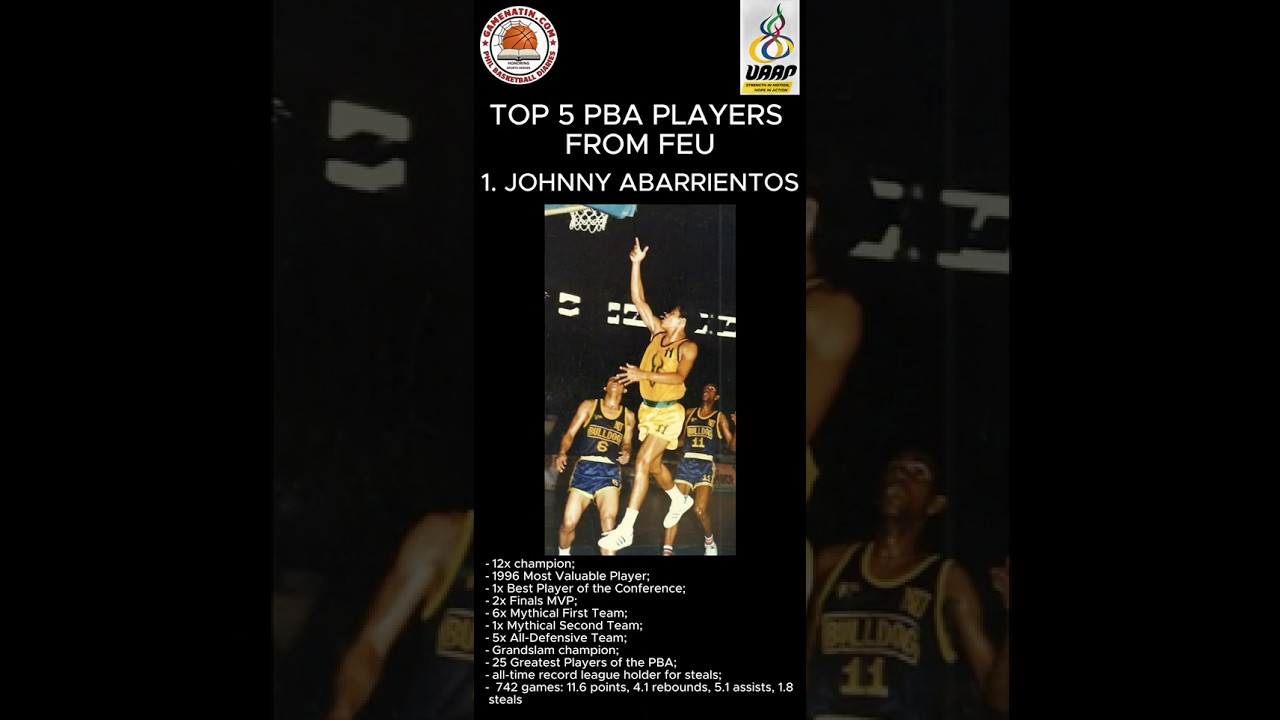
Alaska was just as successful, and even have a grandslam to boast. This happened in 1996 when they won the Triple Crown. Their success though wasn’t overnight. They had to be patient – acquiring the services of Johnny Abarrientos in the 1993 rookie draft (3rd overall), Poch Juinio in the 1994 draft (5th overall) and Jeffrey Cariaso in the 1995 draft (6th overall) while trading for the likes of Jojo Lastimosa (vice Elmer Cabahug) and Bong Hawkins (for Bong Alvarez). Combined with Coach Tim Cone’s brilliance, team owner Wilfred Uytengsu’s passion and commitment, and securing a reliable resident import in Sean Chambers, the Milkmen became the most successful team of the 90’s.

The thing is, fans have expressed their doubts if teams like Blackwater, Terrafirma and Northport Batang Pier would want to succeed like ROS. Imagine the huge potential that Northport has with its top-tiered forward roster made up of Arvin Tolentino, Zavier Lucero and Will Navarro playing alongside up and coming big man Cade Flores and the 2020 draft first overall pick, Joshua Munzon. Yet, while this is a potential contender, not many are optimistic, expecting that these five players will eventually move to SMC teams.
Not entirely new
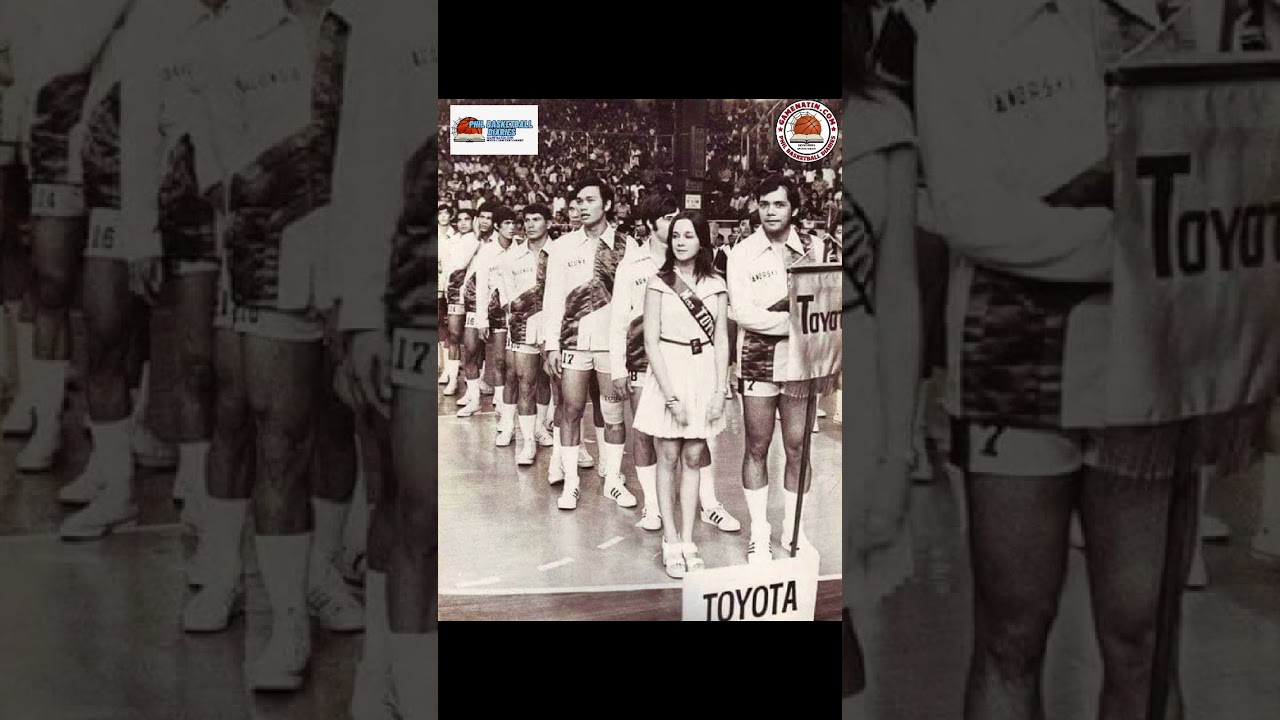
It should be interesting to note though that this isn’t unique to the PBA. In the league’s first decade, the PBA was plagued as well with parity issues as the duopoly of the Crispa Redmanizers and the Toyota Tamaraws lorded it over everyone else, winning the league’s first 10 championships and 21 of the first 26 conferences. The PBA top brass can justify by saying parity was worse back then. Yet, the league didn’t suffer any public backlash like what it is receiving now.
It’s simple. While then Commissioner Leo Prieto acknowledged the two teams’ dominance, he made sure that every team would still have a chance to contend. In the maiden conference of the PBA in 1975, supposedly the All Filipino, Prieto allowed all teams to be reinforced by one import. Most of the teams availed of this privilege, including eventual champion Toyota, which secured the services of Byron “Snake” Jones. Crispa, with its superstar-studded lineup, opted to remain all filipino and eventually placed runners-up.

Even during the All-Filipino conferences, the weakest teams were allowed to suit up the two resident imports in Billy Robinson and Cisco Oliver. The two Americans, who were already playing in the Philippines in the MICAA in the early 70’s, were given special privileges because of their longevity playing in the country. Robinson was obviously the more talented player as he powered the Mariwasa Honda Panthers to the finals of the All Filipino in the 1977 season (losing to Crispa), and then leading the Filmanbank Bankers to the finals of the 1978 All Filipino conference (losing to Toyota).

Handicapping system
In the coming seasons, Prieto instituted the handicapping system for teams when acquiring imports. The top two teams of the previous All-Filipino conference (or previous season), normally Crispa and Toyota, would be allowed to hire two imports of unlimited height but were allowed to play one at a time. The mid-tier teams (those who placed 3rd to 6th) were allowed to hire two imports – one at unlimited height and another with a height limit of 6’6, but were allowed to play simultaneously. The bottom 3 teams were allowed to field in two imports of unlimited height together.
Which explains why the first two teams that broke the Crispa-Toyota championship stranglehold were the U/Tex Wranglers and the Royal Tru Orangemen – two teams that were blessed with imports of unlimited height playing together. In the 1978 Open Conference, the Wranglers paraded Jones and Boston Celtics reserve Glenn McDonald to sweep Crispa, 3-0 in the finals. The year after in the same conference, it was the Orangemen’s turn, bannering Otto Moore and Larry Pounds, defeating Toyota, 3-1 in the 1979 Open Conference finals.
Let’s not also forget the devastating offensive performances of import duos like Larry McNeil and Dean Tolson in the 1979 season and McNeil and Lew Massey in 1982 for the Gilbey’s Gin franchise. It wasn’t uncommon to see their imports combine for an average of 85 points per game, or practically 70% of the team’s total offense. Yet, despite their offensive firepower, it doesn’t guarantee a championship. What it does though is to give their team a chance and be competitive against the perennial contenders.

Even the Reinforced Conference which debuted in the 1981 season, featured import handicaps. The Reinforced was known as the “shorter import” version of the Open Conference, where imports of unlimited heights were hired. In the Reinforced, the bottom performers were allowed to bring in imports no taller than 6’5, the mid-tier placers were allowed to recruit 6’3 and below imports while the top two secured imports who were at 6’1 or below. Crispa, with 6’1 Al Green leading the way, won the initial staging at the expense of the 6’3 Leroy Jackson-led Utex Wranglers, winning in 4 games of the best of 5 finals. Toyota, which ushered in the 6’1 Archie Talley, wasn’t as fortunate and missed the finals bus, losing to the 6’5 Massey-led Presto team in the battle for third place.
Crispa and Toyota though, remained dominant in the prestigious All-Filipino conferences, sharing the titles from 1975 to 1983. In 1984, with Toyota disbanding after the 1983 season, Crispa won its last All Filipino title at the expense of Gilbey’s. But another team finally won the conference – the Great Taste Coffeemakers. This happened in the second conference of the 1984 season when the year saw two All Filipino conferences being held due to economic reasons.
Great Taste’s success
The Coffeemakers were not exactly an elite team in the first few years of the league. But they slowly built their team with a series of exceptional hiring moves – both coach and players. In 1983, they brought in Coach Baby Dalupan to serve as consultant to his erstwhile mentee, Jimmy Mariano. Dalupan, who by then had already won 9 PBA titles, eventually replaced Mariano after the latter made a controversial statement to the public. Then, they acquired the services of top rookie Ricardo Brown, fresh from his stint with the NCC Training Team. The former NBA second round draftee of the Houston Rockets was as elite as one can be – and was generally regarded by his peers as the most difficult to guard. In another impressive move, they hauled in 3x MVP Bogs Adornado from the disbanding U/Tex Wranglers, forming a deadly double-barreled offensive weapon with Brown. The Gokongwei franchise didn’t stop, and brought in former ROY runner-up Ponky Alolor and top Crispa reliever Joy Carpio. The Coffeemakers also hired Norman Black as their import in the Reinforced Conference. Black powered San Miguel Beer to the 1982 Invitational championship against Crispa and was considered as the meterstick among quality imports to be hired.

But given Crispa’s dominance in 1983 when they won the grandslam, Great Taste didn’t stop beefing up their roster, acquiring the services of Chito Loyzaga and Arnie Tuadles from the recently disbanded Toyota franchise, Frankie Lim from Tanduay and Woodrow Balani and Red Vicente from another disbanded team, Galerie Dominique. The massive overhaul yielded dividends as the Coffeemakers became the very first PBA team outside of Toyota and Crispa to win an All Filipino championship in the 1984 second conference. It was the start of a 4-conference title run, bridging the 1984 and 1984 seasons.
While the league wasn’t able to prevent Crispa and Toyota from being the title favorites in the All-Filipino conferences, they were able to make the import-laced conferences more interesting by allowing the other teams to have equal chances of winning. It also resulted in other positive outcomes – our big locals improved tremendously having to go up against imports who were far taller, stronger, beefier and more athletic than they were while the smaller guards had to contend with their American counterparts when it comes to playmaking, dribbling wizardry and shooting from the outside. And from the fans’ perspective, having teams like U/Tex, Royal, Great Taste and Tanduay competing regularly made the league worth watching – whether through the boob tube or live at the venue.
Disbandment and parity
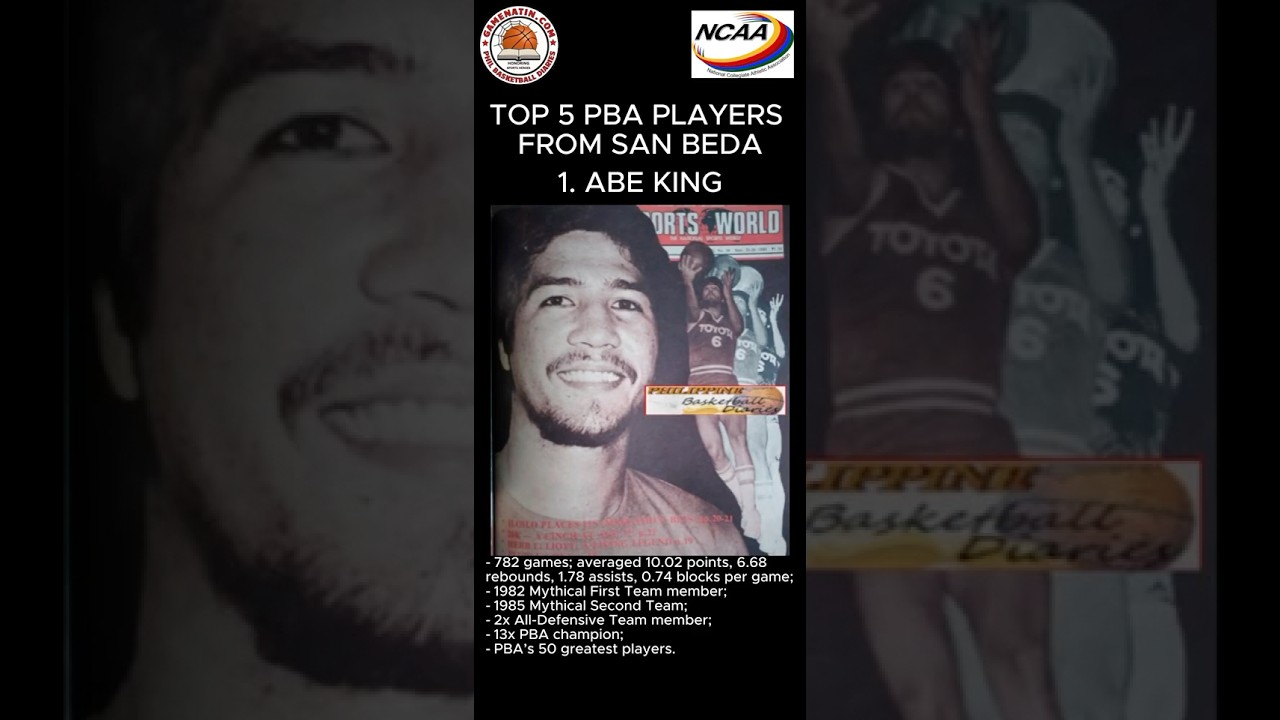
When the Toyota franchise disbanded after the 1983 season, they were sold to Basic Holdings, Inc., the group that ran the Beer Hausen team. But not everyone from Toyota went to the Brewmasters. Robert Jaworski and Francis Arnaiz went to Gilbey’s, Tuadles and Loyzaga joined Great Taste, while Abe King suited up for Gold Eagle Beer. Beer Hausen became a championship contender overnight, and cracked the 1984 2nd Conference finals, losing out to the Coffeemakers. They also ended up second runners-up in the 3rd conference.
Crispa disbanded the season after, and with former Crispa coach Tommy Manotoc now running the league as Deputy Commissioner, he had one mission in mind – establish parity. Because of Manotoc’s vision and understanding of how to run a league for the long-term, he didn’t allow his former Crispa players to go directly to Formula Shell, the team that bought the Floro franchise. Instead, he distributed the players to different teams – only Bernie Fabiosa, Philip Cezar, Bay Cristobal and Willie Pearson (who was then traded to Great Taste for Bogs Adornado) were retained. The others like Abet Guidaben, Freddie Hubalde, Tito Varela and Padim Israel went to Tanduay, Yoyoy Villamin, Atoy Co and Fritz Gaston joined Manila Beer (formerly Beer Hausen).

Adornado wasn’t supposed to go to Shell at the onset. He already agreed in principle with new Ginebra playing coach Robert Jaworski to play for the Gins in the 1985 season. When Adornado was already at the PBA office and about to sign the contract, a phone call prevented the deal from being consummated. The reason? The PBA won’t allow two superstars in Jaworski and Adornado’s calibers to play together to ensure parity.
Manotoc’s efforts produced results. From 1985 to 1987, 5 teams won PBA championships. And from 1990 to 1992, 7 of the 8 PBA teams won a championship in a 9-conference span. Only Shell and Purefoods won twice in that span, with the remaining 5 (Ginebra, SMB, Presto, Alaska and Swift) winning a title each. Only Pepsi, an expansion team that joined the league in 1990, was title-less, but not after ending up runners-up in the 1992 3rd Conference.
What lies next?
The PBA Commissioner doesn’t have to reinvent the wheel. For someone who has been part of the league since the early years as part of the broadcast panel, Willie Marcial need only to look at the success of the PBA during the Crispa-Toyota era, take a page out of it, and implement these if only to regain public interest.
But this has to be done with the unanimous commitment from the PBA Board of Governors. Given that the PBA Commissioner’s powers have been significantly clipped after the Sonny Alvarado brouhaha in the early 2000s, the major decisions have mostly come from the Board. Which, however you view this, is flawed.
The Board is made up of underlings from the team owners. They are there to represent their teams and make their bosses proud. When policies have to be enacted that can impact negatively on their respective teams, do not expect them to support these unequivocally. They have their own personal interests to protect, which puts the league’s interest in the back burner. Which is why it’s no coincidence that when the power and authority was taken by the Board, that was also the time when the league started to flounder.
When you have the league not wanting to have imports with unlimited height to come in, fans speculate that this is one way of “protecting” their interests. Having taller players would negate the impact of the 6’10 Junemar Fajardo, the league’s most dominant local player ever. When the league frowns on the hiring of two imports, the probable reason is that the team governor cannot justify the added expense of hiring another import to their bosses, especially if this move won’t guarantee championship success. When the league dislikes the idea of establishing a handicapping system, an educated guess would be the powerful teams don’t want to be displaced at their lofty perches by the lower-seeded squads that’ll have taller imports.
Manotoc proved that parity can be established provided that there’s strong leadership fueled by a solid commitment from the teams. The ball is now in the hands of the governors and the Commissioner.