Pinoy Basketball Legend Tribute - Jesse Marzan
 Aris Garcia
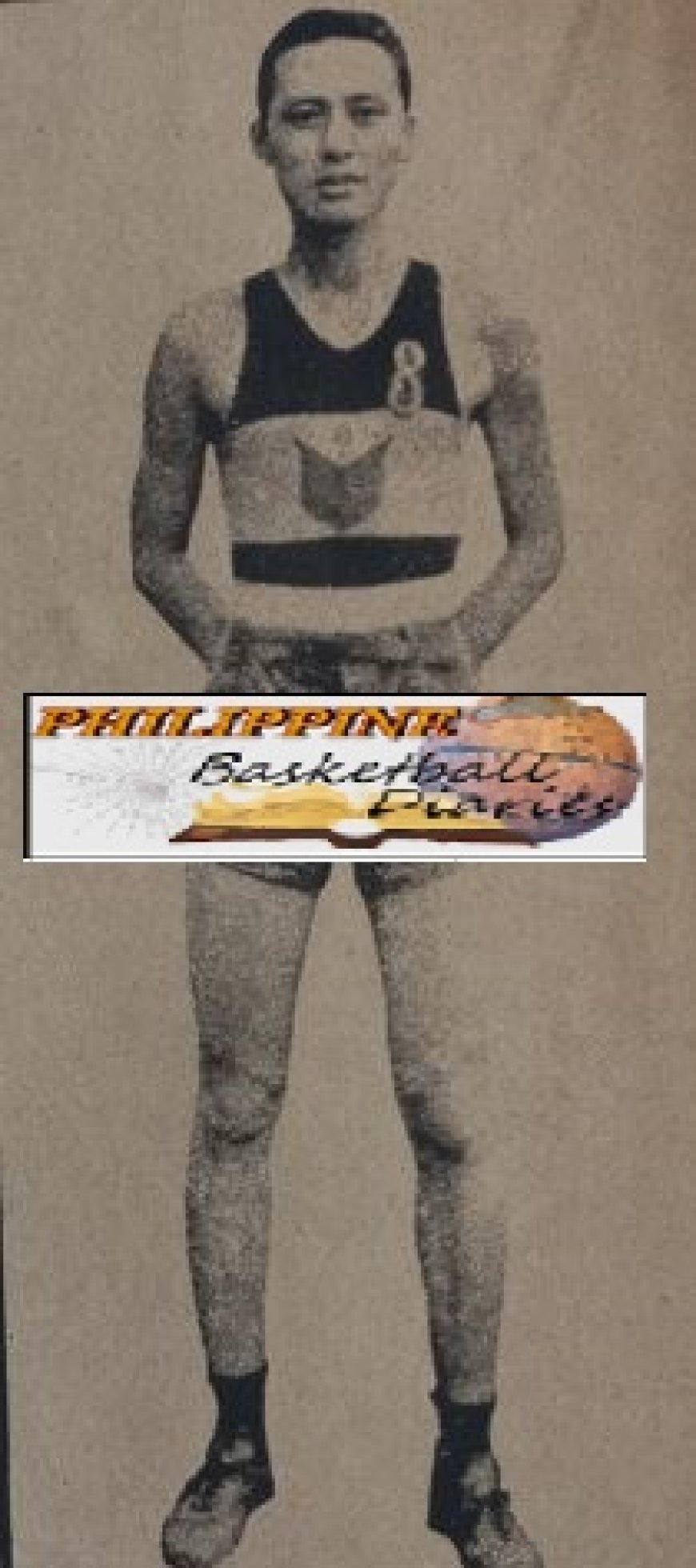
1. Pinoy Basketball Legend Tribute - Jesse Marzan
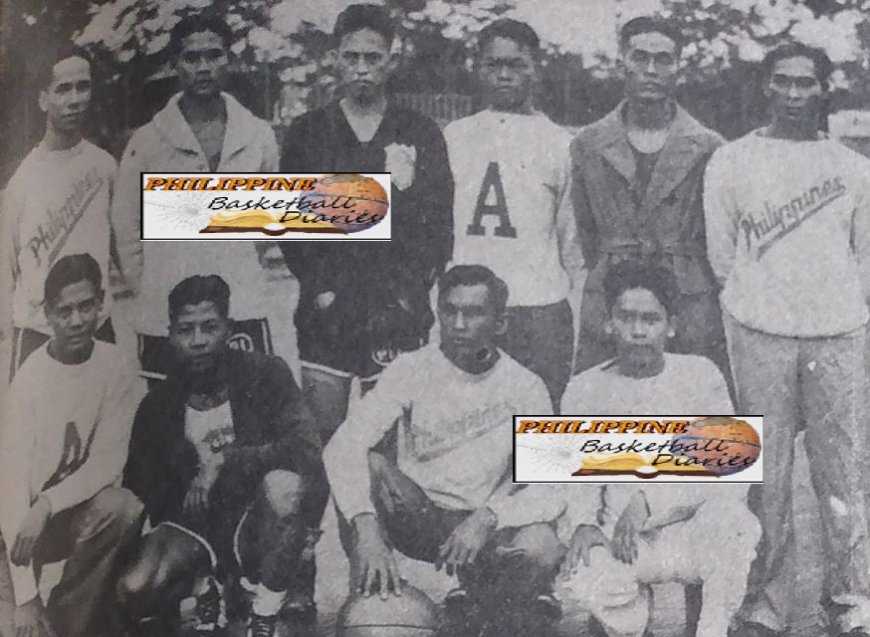
( 1930 Far Eastern Game )
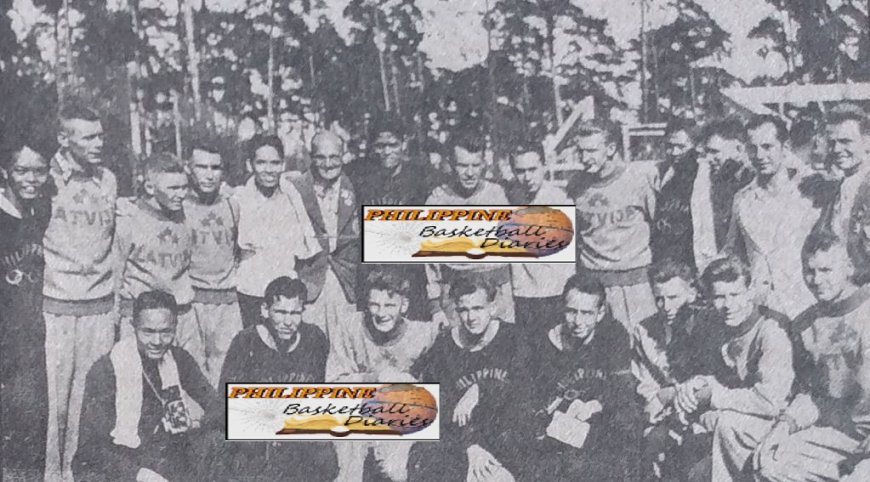
1936 Berlin Olympics
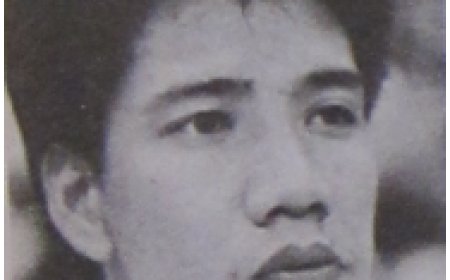
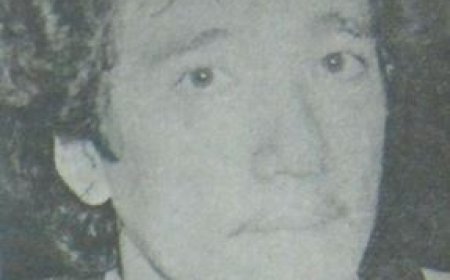
JESS MARZAN: “Four Hoursemen of the Apocalypse - The fifth and last of a series on Policeman-Olympian Basketball Greats
The youngest basketball player who saw action in the World Olympics was the late Jess Marzan, two of the three members of the Manila Police Department who donned the RP uniform.
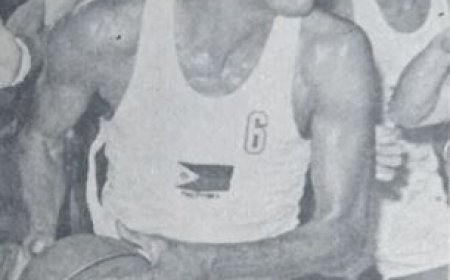
He was one of the ten players selected to represent the country in the 1936 Berlin Olympics. The famous Berlin squad skippered by Ambrosio Padilla placed fifth in spite of losing only one game, to champion United States.
He was then a 20-year-old secondary student at San Beda when Chito Calvo took him as regular center of the Philippine team. His teammates were Padilla, Charlie Borck, Jacinto Ciria Cruz, Tibing Martinez, Bibiano Ouano, Amador Obordo, Fortunato Yam-bao, Johnny Worrell and Franco Marquicias.
He died in 1969 after a lingering lung ailment. Other members of the team who departed were Johnny Worrell, Ciria Cruz, Quano, Obordo, and Yambao.
Tibing Martinez is at present a Mayor in a Mindanao town in Misamis while Marquicias and Padilla are here in Manila. Borck is a resident in the United States.
Marzan was the regular center along with forwards Borck and Padilla and guards Ciria Cruz and Martinez.
He was a member of the famed
'Four Horsemen of the Apocalypse' of San Beda which ruled the NCAA from 1934-36, Prior to that, only the University of the Philippines (1924 26) and Ateneo (1931-33) had won the NCAA diadem for three straight years.
Marzan, San Beda's high jumping center, was a cool, steady and heady player. He played a major role in two of San Beda's NCAA campaigns. However, the Bedans did more than just become NCAA champions. They shattered the myth that the brand of basketball as played in the glamour league was inferior to that dished out by the Big Three (UST, UP and NU), by beating the Glowing Goldies, then the university champion and national titlist. In UST's line-up were Martinez, Ciria Cruz, Herr Silva, Mariano Filomeno and other outstanding players. It was one of the biggest and memorable upsets in the history of Philippine basket-ball.
The historic showdown between
San Beda and UST changed the then growing impression that the university league was superior to the collegiate circuit. It marked a turning point in the NCAA, especially with regards to popularity.
It was during one of those big games that Marzan gained national recognition together with Borck, San Beda's famous forward then called by sportswriters as the 'Blond Bombshell.' When Calvo formed the Berlin team, Marzan and Borck were first choices.
Perhaps, Marzan's association with the other Horsemen - Antonic Carillo, Borck and skipper Angel de la Paz — made him famous more than anything else in his basketball career. Though representing the country in the Olympics is a distinct honor in itself, he most probably would never have been as known as he is if he had not been a member of that elite group.
And when the Four Horsemen finally broke up in 1937, it was to be the end of a colorful company that has yet to find a counterpart in the NCAA. The dissolution of the group was a tragedy, if you would ask, the breakup was inevitable. Borck continued to study at San Beda but the NCAA constitution barred him from playing.
De la Paz transferred to Mapua Tech although he was not able to play because he lacked the one-year residence. And Marzan and Carillo both went to Far Eastern University, a member of the UAAP, the new version of the Big Three.
He saw action for the Tamaraws in the UAAP and it was there that he met and courted the former Josefina Velasco whom he later married. They have four children:
Ramon 34, now a successful customs broker; Milagros 32; Teresita 30 and Carmen 26.
Marzan grew up either swimming or playing basketball within the Walled City of Intramuros where he was born, August 2, 1915 in Calle Real, in one of the apartments owned by his parents, Pedro Marzan of Sanchez Mira, Cagayan and Maria Espinosa of Bigaa, Bulacan.
He studied at Araullo High where he was a swimmer and then transferred to the Philippine Columbian before he went to San Beda where he spent the best years of his basketball life.
Many asked why Marzan and the others were called the 'Four Horsemen of the Apocalypse.' According to oldtimers, there was a movie with the same title and it was very popular then. The leading man was Douglas Fairbanks. Simply because Marzan and the group were that good, the NCAA fans compared them with the screen heroes like the Three Musketeers.
After the Berlin Olympics, Marzan and Borck joined the YCO AC which Don Manolo Elizalde formed in 1936. Marzan also played for Heacock's with Berlin teammate Franco Marquicias and even saw action for Manila Gas, then one of the top commercial teams. He then quit active playing and became a basketball arbiter of the Basketball Officials Association of the Philippines. During the last war, he worked as a courier for the Red Cross and went to Capas and was among the first group of medical workers that helped the soldiers who contacted various diseases like cholera and dysentery.
His widow said Marzan wouldn't want to remember those dreadful experience. But Marzan used to slip little messages for prisoners from their relatives outside the walls of the prison. After Liberation, Marzan wanted to help solve juvenile delinquency in the city and joined the Manila Police Department in various capacities as patrolman and detective. He died in 1969. He was then athletic director of the City Jail, For an Olympian like Marzan, each year out of his playing days was a year irretrievably loss. But he did not brood over his past. Instead, he associated with players, coaches and referees and tried to show them how to live up to the Olympic ideals. Living out to the ideals of the Olympic movement was a passion of Marzan's life.
Thus, Marzan lived in another day, at a time when pride and the will to win were the major elements of any athlete's life. In both respects, Marzan was not second rate. - E. R. T.