How great a player was Jaworski when he was young? (Part 1)
 Jay P. Mercado
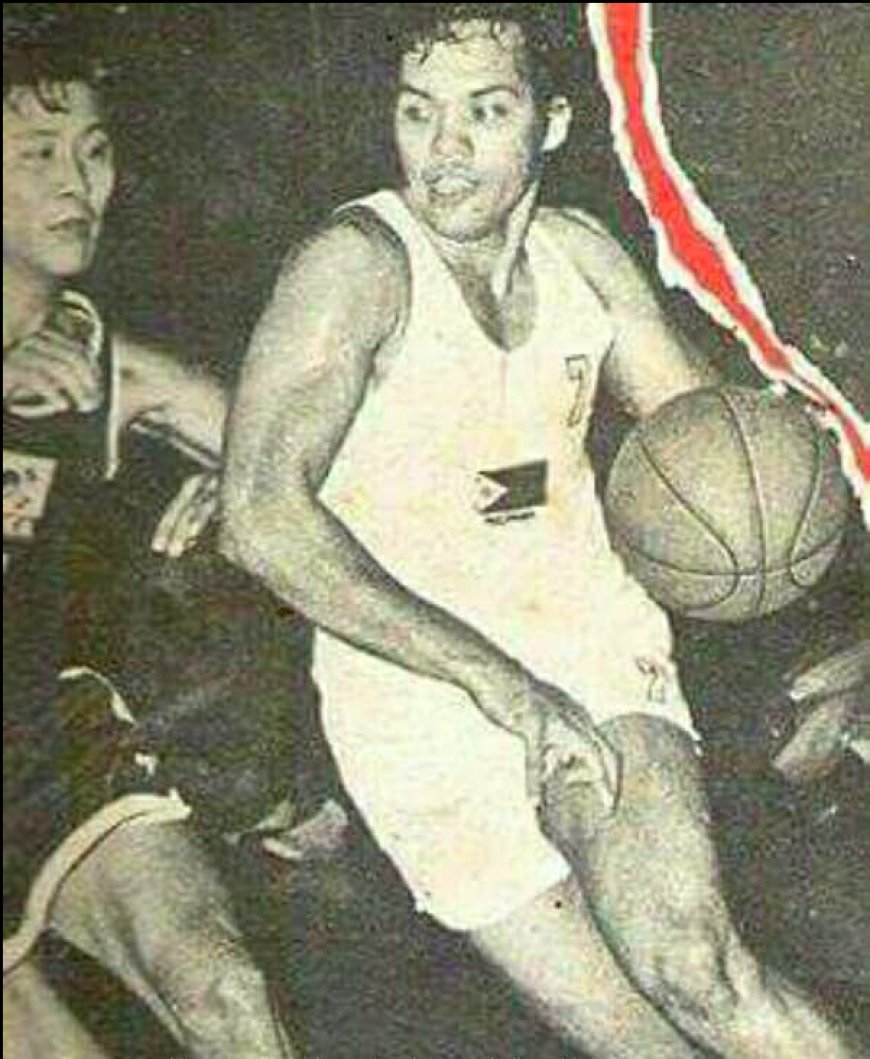
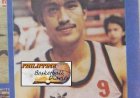
Today’s younger generation was not able to see Robert Jaworski, Sr. in action. If they have, that was when the Big J was already in his late 30’s to mid 50’s – still a flashy, flamboyant and charismatic player but not as quick and agile as he once was.
That is why it is not a surprise to hear younger followers of the game, particularly those born from 1980 onwards, to fully appreciate just how good the Big J was. They saw Jaworski when he was going up against the likes of Hector Calma, Dindo Pumaren, Ronnie Magsanoc and Johnny Abarrientos – the greatest point guards of the 80’s and 90’s when Jaworski was already in his 40’s. They saw how Jaworski employed physicality in his game – defended the best offensive players using every part of the body to contain them.
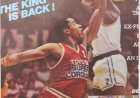
He was described as a dirty player who resorted to every trick in the book to sow intimidation and fear on his opponents. What many don’t realize was that the defense Jaworski was employing was a microcosm of how the game was played during his peak era – from the mid 60’s to the late 70’s. When “sahod” (undercutting) was a common fare and it was up to the players to protect themselves, when “landing spots” fouls were par for the course, and, at a time when the three-point play (we call it “and one” today) was yet enforced and giving up a foul to force the offensive player to score in the free throw line – actions that forced boys to become men almost immediately and to learn to take things in stride when hard contacts were made.
Not to say that these should be tolerated. But that was how the game was played back then. It’s not a surprise therefore to describe the physical and mental toughness of the players back then. Which was why players then were called “daredevils” or monikers like “Murder, Inc.,” (how Letran was called in the 50’s) and Marauders (7/Up’s name) – politically incorrect names today – came to light.
Starting a career
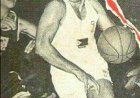
When Jaworski suited up as an 18-year old rookie for the UE Red Warriors in the 1964 UAAP, he was already much sought after by collegiate teams. He eventually joined the Recto-based squad with no less than already multi-titled Baby Dalupan as his head coach. While UE wasn’t able to defend their title for the second time after winning back-to-back in 1962 and 1963, yielding to UST that won its 12th UAAP title, the Warriors couldn’t be stopped. With Jaworski leading the charge with 29 points, the Warriors regained the UAAP title with an 88-84 victory over the Glowing Goldies, overcoming Danny Florencio’s sterling 40-point performance.
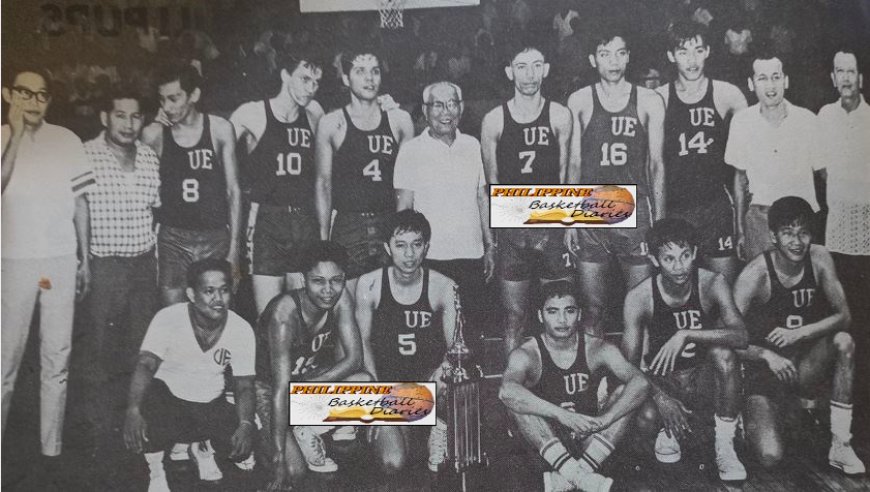
The year after, in 1966, Jaworski once more led his team to the championship, establishing himself already as one of the country’s premier basketball players at the age of 20 years old. In 1967, UE and UST were declared co-champions when the coaches of both teams refused to reveal who their starting units were in the second half, waiting for the other party to name theirs first. Jaworski won 3 of the 4 UAAP tournaments he participated in – a testament to his vast potential which would eventually be translated to numerous success.
It was this potential that led Dalupan to bring Jaworski to the Crispa Floro franchise in 1963. Dalupan, whose family used to own the University of the East, had the privilege of identifying which UE players would fit best for the Redmanizers while at the same time providing the needed preparation of his collegiate players for the UAAP wars.
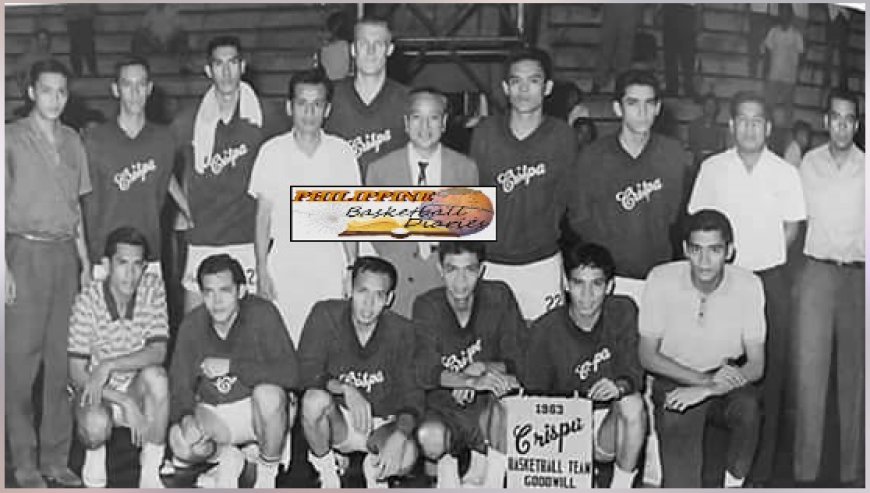
In 1965, Crispa (then called Floro Textiles) cracked the finals, facing the vaunted Ysmael Steel Admirals, the same team that won the 1962 crown but ended up losing to YCO in back-to-back finals in 1963 and 1964. Jaworski ended up with 8 points as the Admirals regained the crown, nipping the Floro franchise, 80-76.
National team participation
It didn’t come as a surprise, therefore, that national team coach Fely Fajardo tapped the Big J’s services to represent the country for the first time in his career. Playing alongside the likes of Ed Ocampo, Narciso Bernardo, Jimmy Mariano, Danny Florencio, Roehl Nadurata, Jun Papa, Big Boy Reynoso, Renato Reyes, Boy Marquez, Jake Rojas, among others, the team went on to finish 6th in the Bangkok Games.
His first taste of international success though came from the biennial ABC tournament in 1967. The Philippines won all its 9 games en route to the championship, including a final game 83-80 victory over the Shin Dong Pa-led South Korean national team. At that time, both teams were undefeated with 8 wins apiece, with the winner ending up as the champions. It was a monumental feat considering that the tournament was held in Seoul.
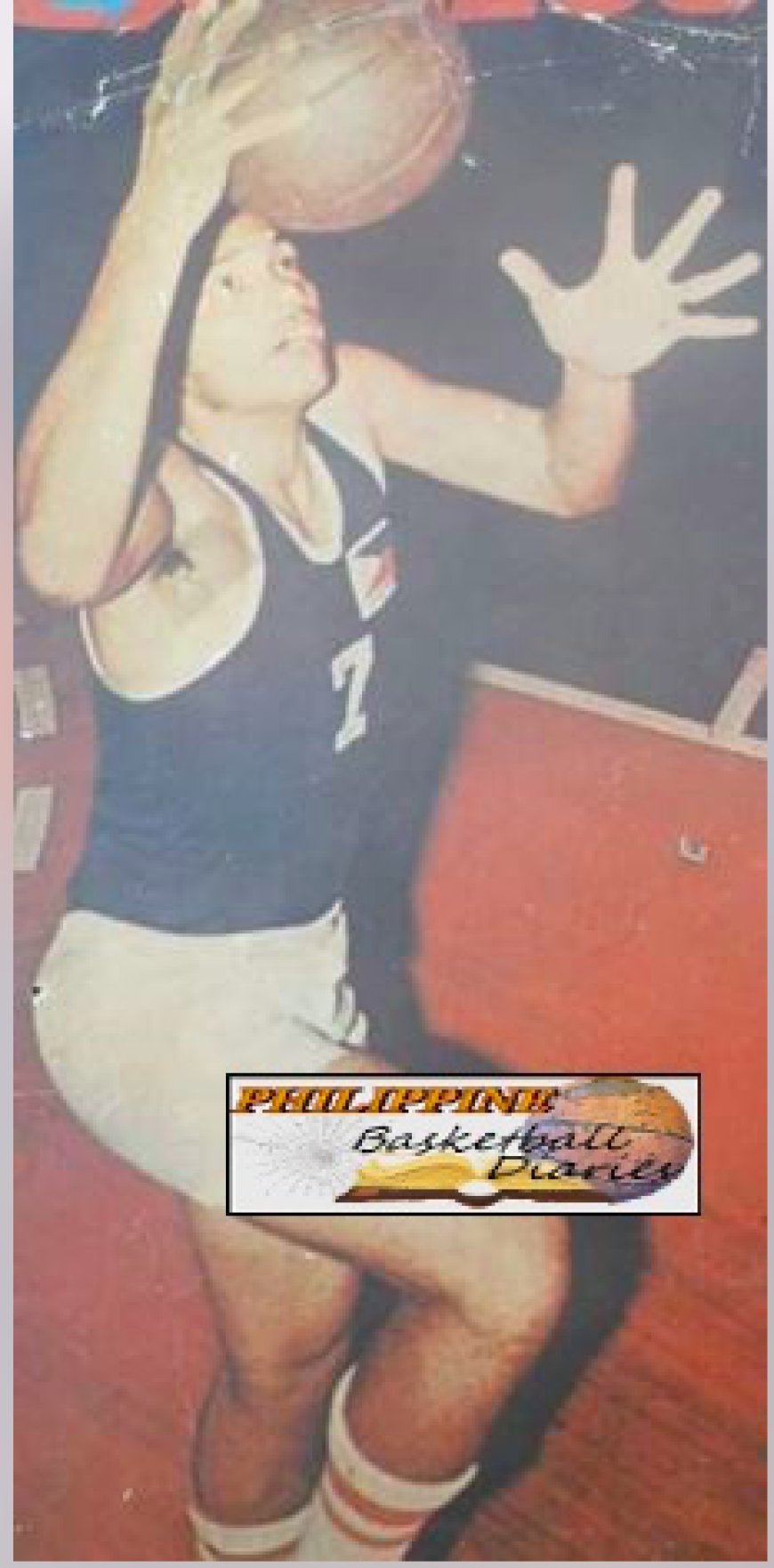
By virtue of their top two ABC placings, the Philippines and South Korea represented Asia in the 1968 Mexico Olympics. The national team won over Senegal, 80-68, in the group stages and then Morocco in the classification round 86-57, before repeating over the Sokors, 66-63, to cop 13th place among 16 teams. Jaworski played a bigger role in the Olympics compared to the ABC because of his unique size – a 6-foot playmaker that allowed him to compete one-on-one against hefty guards from the Americas, Europe and Africa.
The Big J later moved to the YCO Painters in 1967 and helped the team win the 1967 National Invitationals and National Seniors tournaments while ending up second in the 1967 and 1968 MICAA finals against arch rivals, Ysmael. Jaworski then moved to the fledgling team, Meralco Reddy Kilowatts owned by the Lopez family, that joined the league that year.
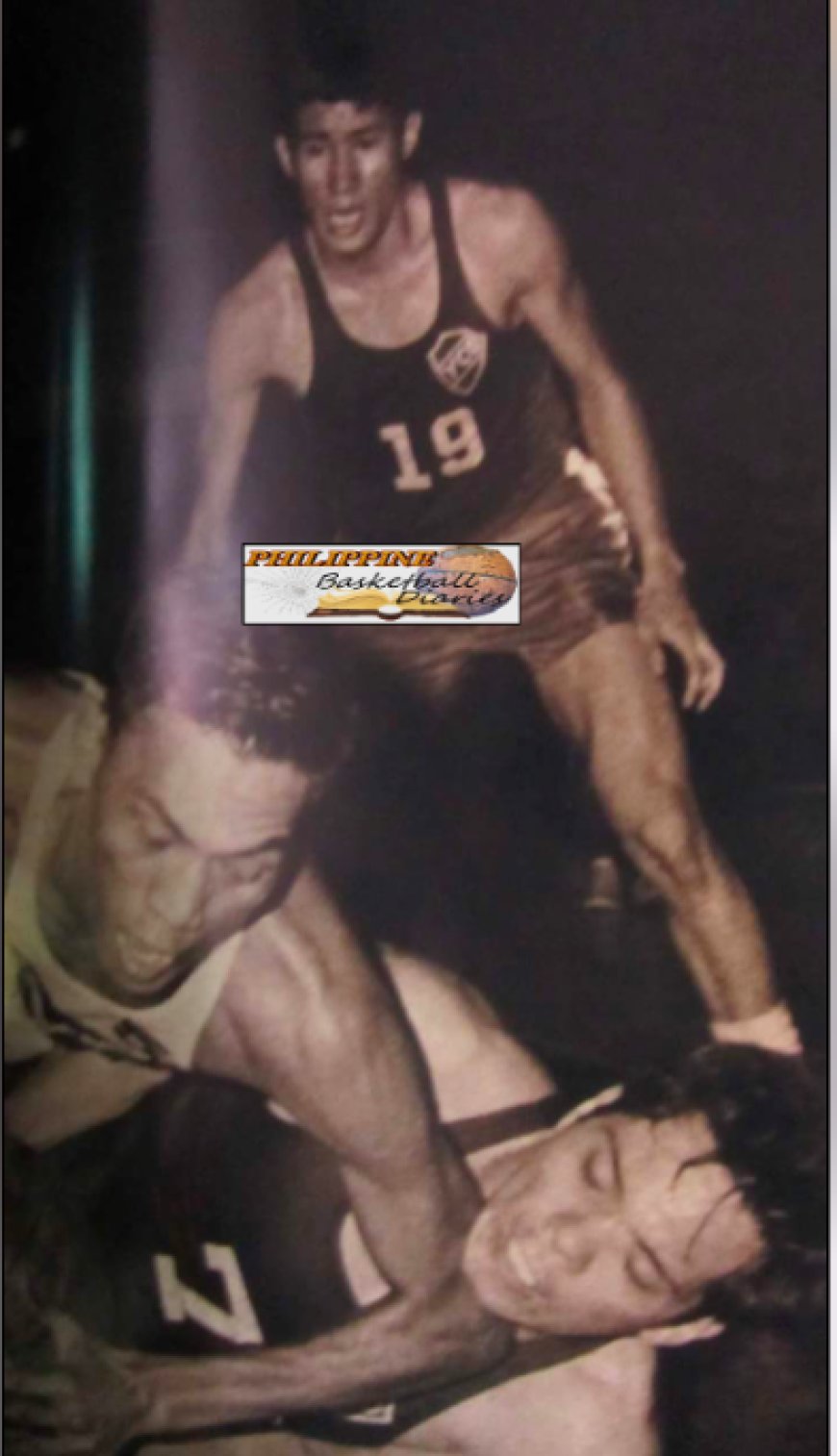
Jaworski’s exploits as a national team player continued as he became a permanent fixture in international competitions. He played in the 1969 ABC tournament in Bangkok where the Lauro Mumar-coached team ended up 3rd, behind eventual champion, South Korea, and runner-up, Japan. By virtue of winning the championship, the Sokors became Asia’s lone representative to play in the 1970 World Basketball Championship held in different cities in Yugoslavia. Shin Dong Pa was the tournament’s leading scorer with 32.6 points per game as they ended up 11th among 13 teams.
Jaworski then was tapped to play in the 1970 Asian Games at Bangkok. With his former mentor, Dalupan, appointed as head coach, Jaworski was one of 6 players that came from different teams other than Crispa. The 6 were Jaworski, Jimmy Mariano, Orly Bauzon and Big Boy Reynoso of Meralco, and Renato Reyes and Freddie Webb of YCO. The 6 Crispa players fielded by Dalupan were Florencio, Papa, Rudy Soriano, Manny Jocson, Johnny Revilla and Rudy Kutch. The team wound up at 5th place behind the Sokors, Israel, Japan and Taiwan.
Jaworski then returned to the local scene and led his Meralco team to the MICAA Open championship. Already the Philippines' biggest basketball superstar, he elevated his popularity even further with this championship. For one, no one expected the Reddy Kilowatts to beat the heavily-favored Redmanizers. Second, Jaworski was a vital cog in the championship as he held his fort on both ends of the court.
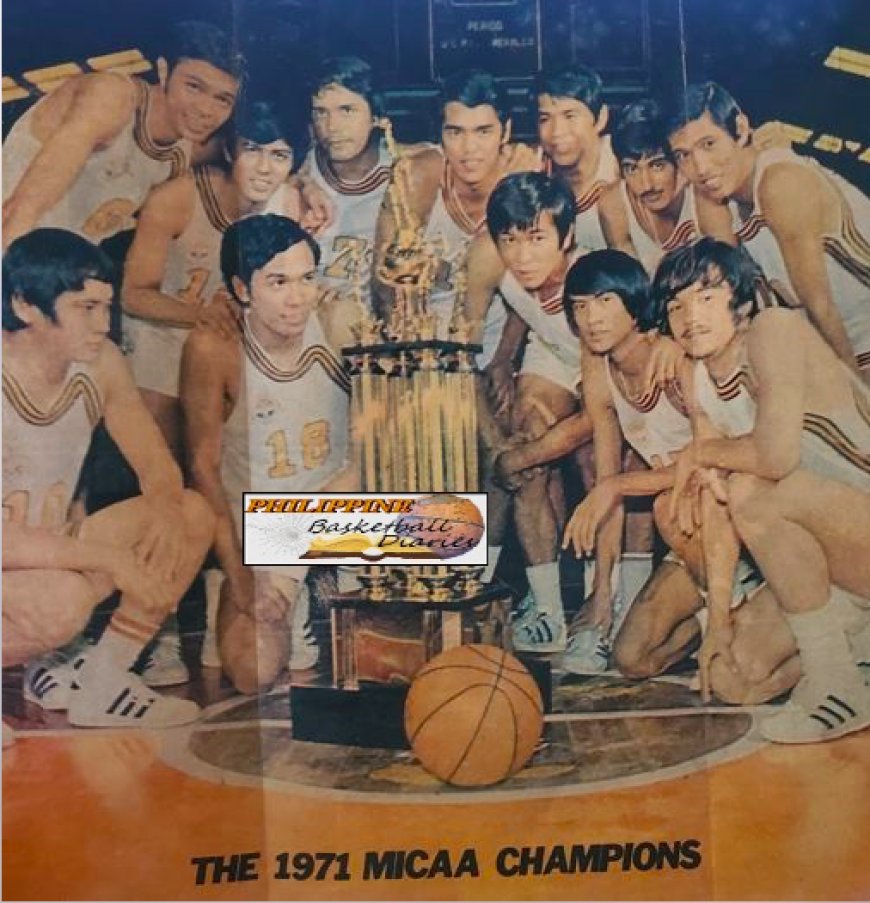
But the biggest heartbreak occurred in the 1971 ABC tournament held in Tokyo, Japan. After clobbering their Southeast Asian rivals, Singapore, Hongkong, Malaysia and Thailand by an average of 55.25 points per game in their first 4 games, they found stiff competition against their arch rivals, South Korea, the Filipinos stood their ground and exacted vengeance, winning 88-80 in a highly-physical and hard-fought match. But in their next game against the hosts, the nationals couldn’t get their offensive game going in the second half. Falling behind 45-39 at the half, the Filipinos could only assemble 30 points in the second half while giving up 48 points to lose by a big margin, 93-69. It was a game when Japan head coach Kuninaka Taketomi was quoted, “we could have beaten this Philippine team blindfolded…” a statement that served as a challenge for the national team players.
Jaworski and Webb ended up in the Mythical Top 10 of the tournament, alongside four Japanese, 2 Taiwanese and 2 Korean players, underscoring Jaworski’s pivotal role in the national team. Quite interestingly, in a survey conducted in early 1973 by the Philippine Princeton Poll, the 2 guards ended up at the Top 2 of the most popular athletes in the country. Rounding up the top 5 were Crispa stalwarts, Jun Papa, Gabriel “Flash” Elorde, and Danny Florencio.
Fortunately, with the Philippines ending up second, they qualified for the 1972 Munich Olympics where they avenged their loss to Japan, 82-73, ending up 13th place overall. Japan finished at 14th.
Getting suspended
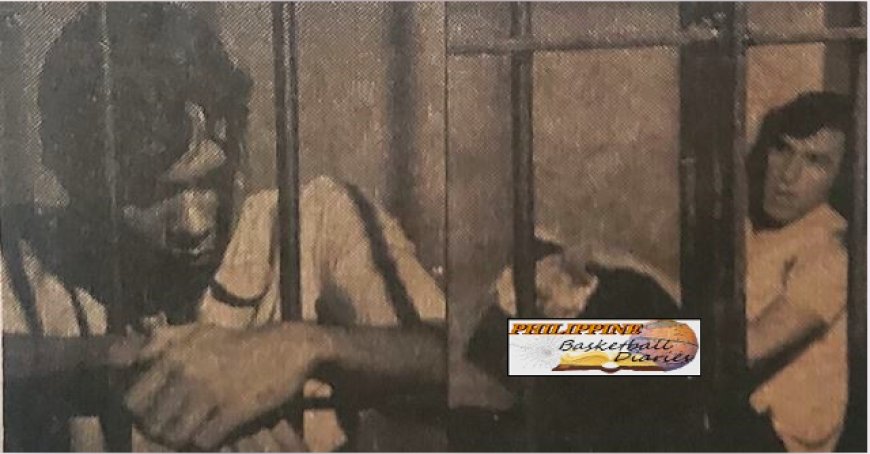
A month after the ABC, Jaworski’s Meralco Reddy Kilowatts team found themselves in the finals of the 1971 MICAA against the Crispa Redmanizers. With a little less than 3 minutes left in the game and Meralco down, 65-50, the Big J and teammate, Reynoso, punched referees Joe Obias and Ting Cruz, in apparent frustration to the alleged bad calls that favored the Redmanizers. As a result, the two national team mainstays were given a hefty 2-year suspension by the MICAA and a lifetime ban by the Basketball Association of the Philippines (BAP). There are many who felt that “the sanction was too harsh”, especially for two players at the peak of their respective careers and who have served the country well. On the other hand, there were others who believed that this had to be done “to preserve basketball in the country.”
In a press conference held a few weeks after the tumultuous game, both players admitted that “they lost their heads and that they were sorry.” Jaworski quipped, “it was a spur-of-the-moment outburst, but we were not solely to blame. The referees had been making bad calls and if you’re playing with your heart, practicing basketball for 4 to 5 hours a day and then you see all your efforts go down the drain because of the lousy referees, well, you just lose your head.”
At that time, Jaworski was the leading MVP candidate for the season and would have easily won the award if not for this incident.
Showbusiness – keeping himself busy
Jaworski was out of the basketball limelight for more than 14 months. He went on to continue with his full-time job at Meralco as Senior Personnel Assistant, where he has been working since 1968, while dabbling into different endeavors, particularly show business. The Big J earned his bachelor’s degree in BSBA, major in Marketing and Management at UE.
Movie acting wasn’t exactly new to him. In 1969, Fernando Poe, Jr. offered him a role in the movie, “Fando” that starred the eminent action superstar himself. That was to be followed up by “Batang Estibador” where he topbilled alongside Paquito Diaz and Perla Bautista.
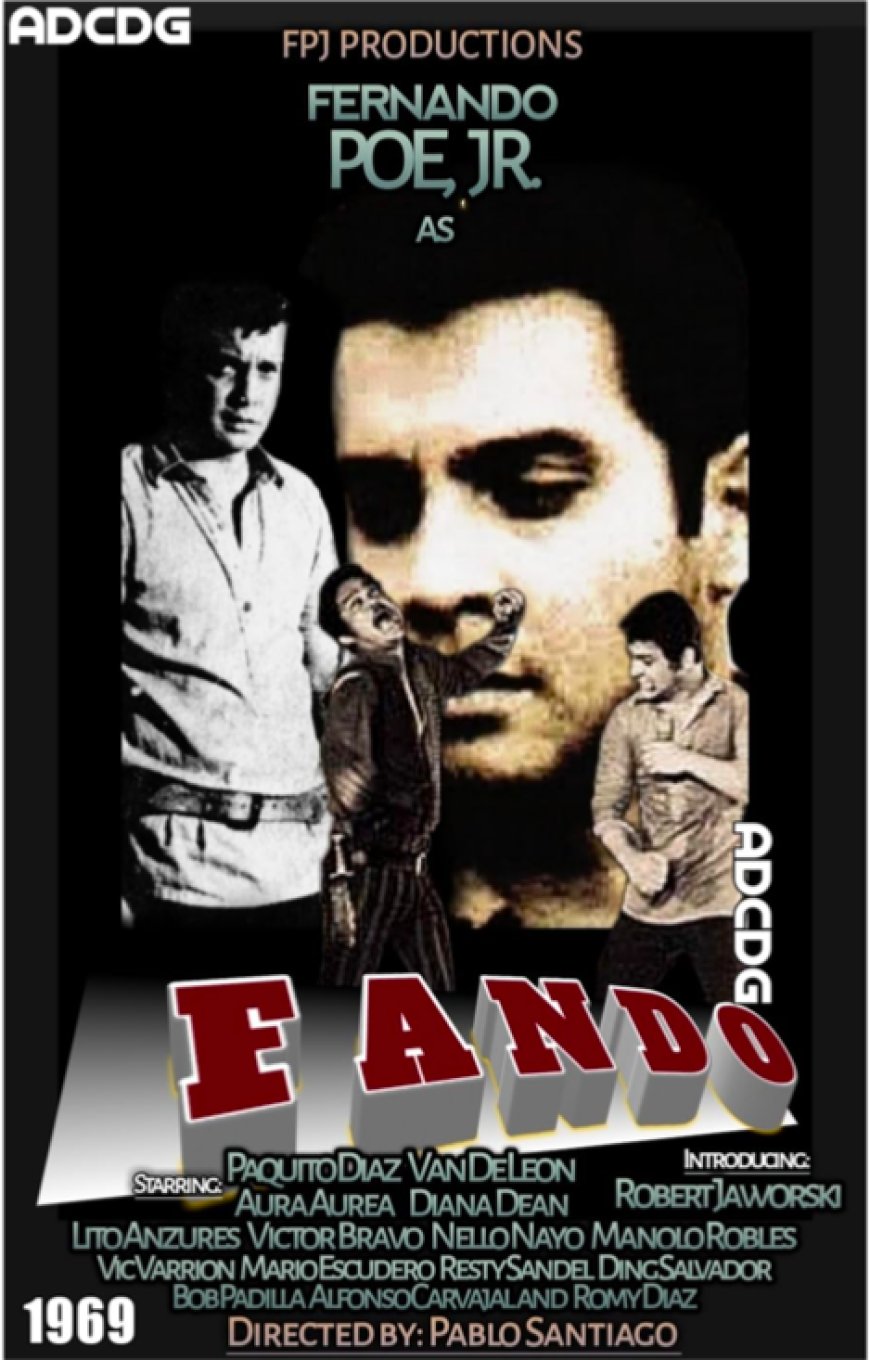
(photo courtesy of IMDB)
But because of his office work at Meralco, his playing career with the Reddy Kilowatts and his national team commitments, Jaworski wasn’t able to appear in another movie despite the box office success of his first two films. He finally resumed his movie career in 1971, starting with “Bugoy,” that starred the Poe brothers – FPJ and Andy, the “Dimasupil Brothers” headlined by Andy Poe and the Diaz siblings – Pacquito and Romy, as well as the film debut of Reynoso, and “Fastbreak,” a film he co-starred with Webb and comic thespian, Chichay. Reynoso also appeared later on in the movie, “Bilangguang Puso,” topbilled by FPJ’s wife, Susan Roces, Dante Rivero, and Romy Diaz.
With the suspension, Jaworski opted to continue with his showbiz career to provide food for his family’s table. His first movie after his suspension was from FPJ Productions once more, “Berdugo,” starring Andy Poe, Paquito Diaz and Leopoldo Salcedo. The film was inspired from the Francis Ford Coppola blockbuster movie, “Godfather” that starred Marlon Brando, Al Pacino, James Caan and Robert Duvall.
It was his appearance though with his father-in-law, Ramon Revilla, Sr., in the blockbuster movie “Nardong Putik” that created so much fanfare. By then, the Big J was already a major star in local showbusiness. This was later followed up by another Revilla starrer, “Pepeng Agimat” which also turned out to be a major box office success. Jaworski went on to appear in 4 more movies in 1973, all of which were done after his suspension was lifted by the BAP and the MICAA.
Incidentally, with Meralco shuttered down by the Martial Law regime, Jaworski eventually lost his office job with the electric company. At the same time, the basketball team also disbanded, leaving the Big J without a mother team on his potential return.
(to be continued.....)